

INFLUENCING SYSTEMS AND PUBLIC POLICY
Driving training through demand: The IECD at the heart of the driving forces of change
In the countries where IECD operates, vocational training systems are struggling to adapt to changes in the labour market. To address these challenges, the IECD partners with public authorities to drive impact through three key approaches: fostering sector dialogue on employability, developing programmes aligned with national policies, and strengthening local ownership.

Building dialogue to achieve greater impact
In ecosystems where coordination remains inadequate, developing responses that are consistent with the needs of the labour market remains a major challenge. This is why the IECD continues to strengthen its role as a leading player by facilitating dialogue between key stakeholders in the fields of training and employment. In Central African countries, the IECD co-facilitates national and regional platforms bringing together ministries, training providers and civil society to improve the coordination of integration policies.
Embedding programmes in national policies
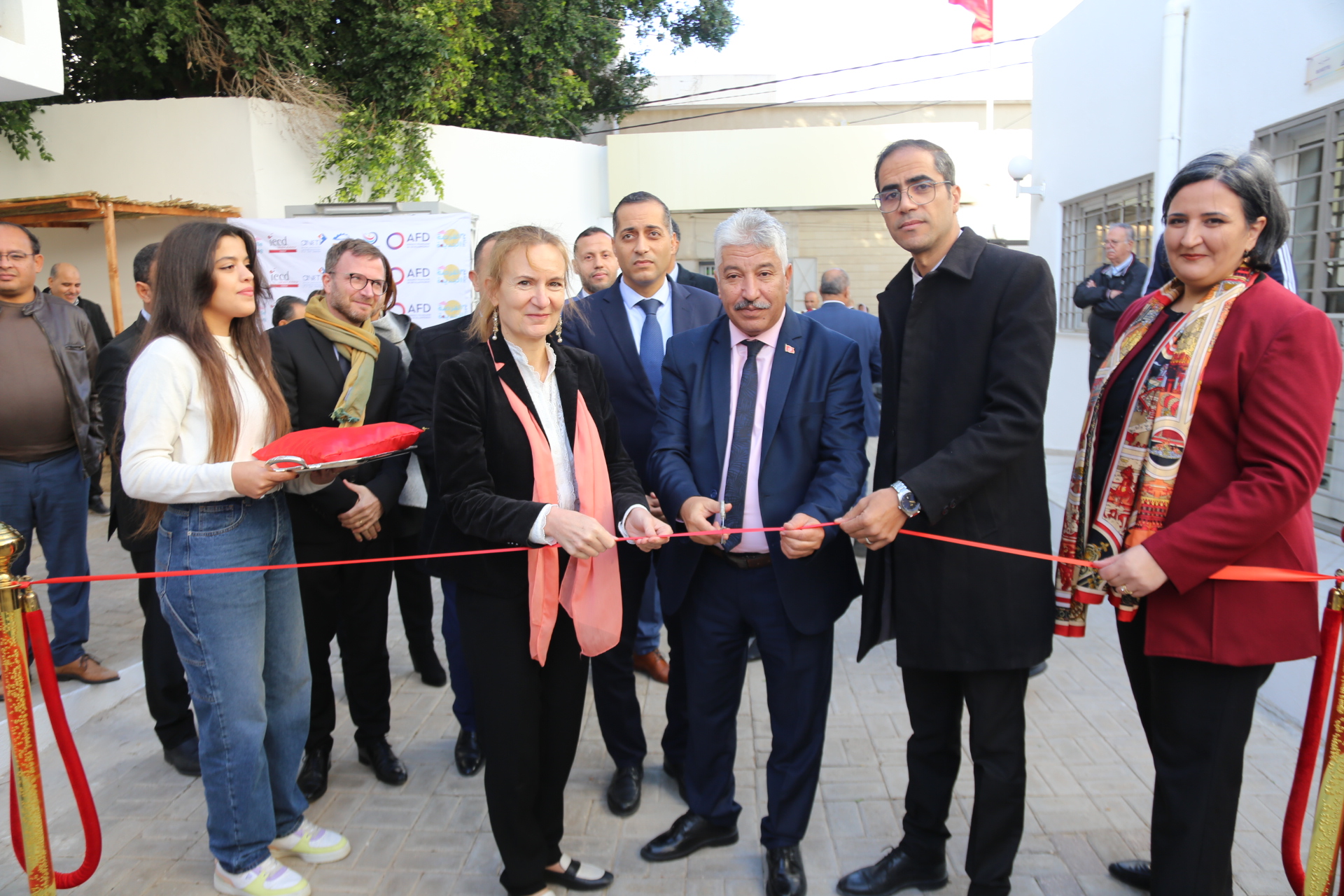
To ensure the sustainability of these changes, the IECD supports policymakers in their reform efforts by securing recognition for the programmes developed in collaboration with its local partners. In Tunisia, the signing of three agreements with the national agencies for training and employment has enabled the ‘New Chance’ scheme to be incorporated into youth integration for young people, paving the way for its nationwide roll-out.
In sub-Saharan Africa, the development of 13 qualification pathways in growth sectors (management of waste, solar energy) helps to promote new careers and the professional development of thousands of young people.
Transferring and sustaining impact
Systemic impact is measured by the ability of local institutions to sustain the initiatives they have launched themselves.

In Madagascar, Five years of support provided to the National Institute of Tourism and Hospitality have enabled it to revamp its educational provision, set up a careers and employment advice centre, and modernise its infrastructure. Beyond the institutions themselves, the IECD supports the people driving change – school directors, trainers, and career guidance advisers – to update their practices and promote methods tailored to young people’s expectations.
—

“We have made progress in validating market-relevant curricula and developed training opportunities in line with the needs of the private sector, and improved the services offered to young people.”
The Hon. Laraamand Shenkin Nyonton II, Deputy Minister for Technical and Vocational Education and Training (TVET), Ministry of Youth and Sports, Liberia.