

From exclusion to inclusion: innovative pathways into careers in the hospitality and catering industry
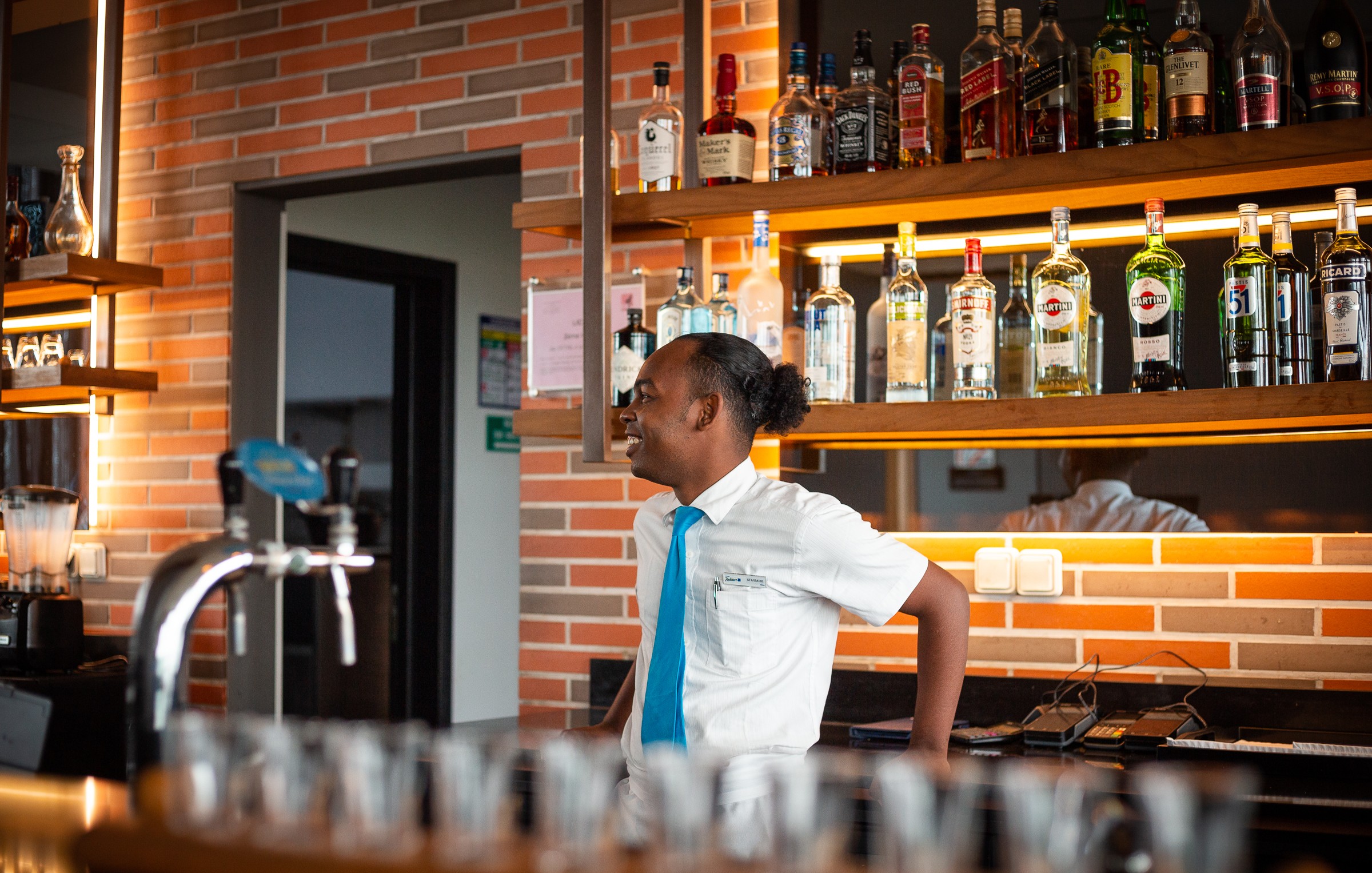
For young people in socio-economic vulnerability, accessing sustainable employment is a real challenge.
Addressing this challenge by offering genuine pathways to inclusion means investing in comprehensive programmes that combine technical training, human support, and workplace immersion.
On the labour market, two realities coexist: NEETs, who represent nearly 20% of 15–24-year-olds and are neither in employment, education nor training; and businesses in labour-short sectors such as hospitality and catering, which face significant recruitment needs, with a projected workforce gap estimated at 18% by 2035 (WTTC, 2025).
Bringing these two sides together may seem obvious, but in reality it remains difficult. Companies struggle to recruit candidates who are both operationally ready and comfortable with the relational demands of the sector, while these young people do not always have access to the training and support that would enable them to develop these skills.
Pathways designed to address a dual challenge
It is precisely to bridge these two realities that the IECD has developed training programmes in hospitality and catering professions that are accessible to NEETs.
The approach is based on pathways defined by several key characteristics:
- Professional training programmes aligned with employers’ needs,
- Enhanced support combining technical skills, soft skills, and personal development,
- Hands-on immersion in real working conditions through apprenticeship schemes or training enterprises,
- Close collaboration with companies, involved from training through to recruitment (site visits, job presentations, job-search coaching, etc.).
This model helps move away from training schemes that are often too theoretical or disconnected from the labour market.
Tangible results in the countries
In Vietnam, the French Bakery of Ho Chi Minh City, established in 2017, is a concrete illustration of this model. This training bakery provides free training to young people in vulnerable situations. Beyond technical skills, the programme includes comprehensive support to build confidence, autonomy, and professional soft skills. The results are significant: in 2025, 80% of trainees secured employment or began an income-generating activity.
“You don’t need to be perfect to start. With confidence, patience, and the solid foundations I acquired, even a simple activity can grow into a real business,” says Thi Minh Thu, former trainee and now founder of Binh Minh Bakery.
In Madagascar, NEET youth have also become pastry chefs through a dual-training pathway developed in partnership with renowned establishments such as Novotel and Radisson. These experiences enable rapid labour market integration through hands-on skill development. Employers, facing significant recruitment needs, recognise the motivation and potential of these trained young people: “We recruited Sitraka because of his commitment and progress throughout the training,” explains Tahina Ratsimbazafy, chef at Novotel.
A key sector for sustainable employment integration
These initiatives demonstrate that careers in the hospitality and catering sector can serve as real stepping stones into employment for young people who are distant from the labour market.
By offering a holistic approach to training and drawing on the real needs of businesses, these programmes contribute to sustainable labour market inclusion.
In the face of recruitment pressures in the sector and youth employability challenges, these models are intended to be further developed and scaled up, so that more young people can benefit from them.