
LOCATION
FINANCIAL PARTNER
LOCAL PARTNERS
Tunisian Ministry of Employment and Vocational Training
National Agency for Employment and Self-Employment
Tunisian Agency for Vocational Training
USEFUL LINKS (ONLY AVAILABLE IN FRENCH)

The National New Chance Scheme serving Tunisian NEET Youth
In Tunisia, the National New Chance Scheme is part of a broader effort to combat school dropout and promote the socio-economic inclusion of vulnerable young people. Led by public authorities in partnership with training and employment stakeholders, this programme aims to offer a second opportunity to young people who have left the education system prematurely, enabling them to re-enter pathways leading to education, skills development and employment.
More specifically, the National New Chance Scheme is implemented in the cities of Kairouan and Sousse, and aims to:
-
Reintegrate young school dropouts mainly aged 18 to 30 (and beyond depending on individual pathways), through bridges to formal education, vocational training or adapted qualification programmes,
-
Provide individualised support, combining academic catch-up, life skills (soft skills) development and career guidance,
-
Facilitate socio-professional integration, by strengthening links with training centres, companies and employment support structures,
-
Prevent future dropouts through psychosocial support and follow-up, as well as the involvement of families and local communities.
The National New Chance Scheme is based on an integrated, youth-centred approach. An initial assessment is carried out to identify each young person’s needs and to design a personalised support plan. Psychosocial support is a central pillar of the programme, helping to restore self-confidence, strengthen motivation and address barriers to learning such as precarious living conditions, family breakdown or lack of guidance.
Through this comprehensive approach, theNational New Chance Scheme aims not only to reduce school dropout in Tunisia but also to contribute to the social and economic inclusion of young people, by offering them concrete prospects for the future and greater autonomy.
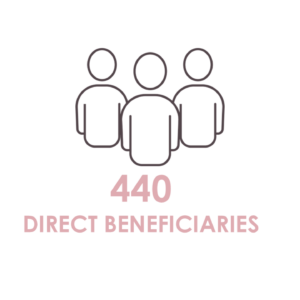
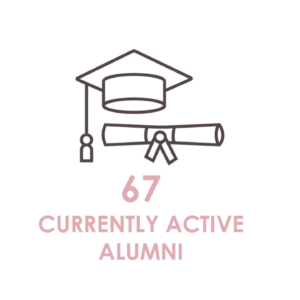
The results in 2025: